How to Eat Sustainably: 10 Tips for a Healthy Body and Planet - To Taste

In a time when worries about personal health and environmental sustainability are on the rise, diet has become critical to determining the health of the earth and our bodies. The days of food being only meant for survival are long gone; now, food can be a tremendous force for good, allowing us to feed ourselves and develop a closer bond with the natural world.
The idea of sustainable eating has gained prominence as we find ourselves at the nexus of a thriving food industry and ecological crises. Sustainable eating provides a way forward for a more peaceful coexistence of humans and the environment. It's more than just making dietary decisions; it's about consuming food in a way that takes the social, environmental, and financial effects of our food systems into account.
Fundamentally, it is about having a deep understanding of how all living things are interrelated and realizing that the health of our world is affected by every meal we eat. Meat and livestock production significantly contribute to greenhouse gas emissions, land degradation, and water pollution, highlighting the need for sustainable practices to mitigate environmental impact. Implementing ethical and humane farming methods can promote animal welfare while reducing the environmental footprint of meat production.

In addition to protecting biodiversity, maintaining ecosystems, and advancing social justice within food systems, adopting sustainable eating behaviors also benefits our health. In light of this, we set out to examine ten practical suggestions for eating sustainably, all aimed at enabling people to make decisions that are good for the environment and themselves.
Select Foods Based on Plants
Savor a wide variety of colorful fruits, veggies, whole grains, and legumes that are all packed with nutrition and flavor. Accept the inventiveness of plant-based cuisine and experiment with tasty vegetarian meals including vibrant salads, filling soups, and unique grain bowls.
Savor the satisfaction of knowing that each meal you eat that is plant-based helps to preserve valuable resources and lower greenhouse gas emissions.
Impact on the Environment
Sustainable eating is founded on the principle that plant-based foods have a smaller environmental impact than animal products. Foods based on plants typically require less energy, water, and land to create. They also produce fewer greenhouse gas emissions, which helps with attempts to slow down global warming. Individuals can lessen their ecological footprint and support environmental sustainability by giving preference to plant-based foods.
Advantages for Health
A lower incidence of chronic illnesses including diabetes, heart disease, and some types of cancer is one of the many health advantages of plant-based diets. Plant-based diets are high in fiber, antioxidants, and other minerals that support longevity and general health.
Plant-based diets can improve people's health and lower their risk of diet-related diseases, which will benefit the population as a whole.

Variety in Food Production
Selecting plant-based diets also allows for a greater variety and inventiveness in cooking. A vast variety of flavors, textures, and culinary opportunities can be found in fruits, vegetables, grains, legumes, nuts, and seeds. Meals made entirely of plants can be every bit as tasty, filling, and healthy as those made entirely of human health, if not more so.
Adopting a plant-based diet promotes experimentation and discovery in the kitchen, enhancing the gastronomic journey and cultivating a more profound admiration for plant-based components.
Purchasing Seasonal and Local Produce: Promoting Environmental Sustainability and Local Community
Experience a seasonal culinary voyage while savoring the abundance and variety of locally sourced fruits and vegetables. Take in the vibrant ambience of farmers' markets, where the scent of ripe vegetables and the tales of devoted farmers fill the air.
Establish relationships with nearby farmers and craftspeople to help them maintain their livelihoods and, by using shorter supply chains, lessen the carbon footprint of your food.
Boosting Regional Economy
Purchasing seasonal and local produce is a key component of sustainable eating, which strengthens ties within the community and boosts local businesses. When people buy fruits, vegetables, and other foods created locally farmed or cultivated, they are supporting their local economies.
Local farmers and producers prioritize quality and freshness, work on smaller scales, and use more environmentally friendly methods. Customers who patronize neighborhood businesses contribute to the preservation of farms, the continuation of agricultural customs, and the advancement of regional food sovereignty.
Cutting Down on Food Miles and Carbon Emissions
Selecting seasonal and local products also lessens the carbon footprint of food transportation. Foods that are sourced locally usually travel less from farm to table, which reduces the amount of emissions produced by moving vehicles. People can reduce their energy use and greenhouse gas emissions by reducing the distance that food travels.
Furthermore, seasonal produce is frequently picked at its ripest, using less energy in the process of preservation, refrigeration, and storage. This assures that consumers receive food that is fresher, tastier, and more nutrient-dense while also helping the environment.

Getting in Touch with the Seasons
Purchasing seasonal and local produce promotes a closer relationship with the cycles of nature. Customers are more aware of the seasons and natural cycles as fruits and vegetables become more scarce throughout the year.
A deeper understanding of the richness and diversity of regional food web is fostered by this seasonal consciousness. By adopting a seasonal eating philosophy, people can enhance biodiversity and diversify their diets by enjoying the distinct tastes and textures of each season's crop.
In addition, consuming meals in season stimulates culinary ingenuity by motivating people to try out novel dishes and cooking methods that utilize locally sourced resources.
Increasing the Resilience of Communities
Purchasing seasonal and local produce not only boosts local economies and lessens environmental impact, but it also builds community resilience to global issues like supply chain disruptions and climate change.
Communities may create more robust food chains that are less susceptible to outside shocks and changes in international markets by encouraging closer linkages between local producers and customers.
By promoting self-sufficiency, meal security, and cultural preservation, this grassroots approach to food production and distribution lays the foundation for a future that is more robust and sustainable.
Food Waste Reduction: An Essential Component of Sustainable Eating
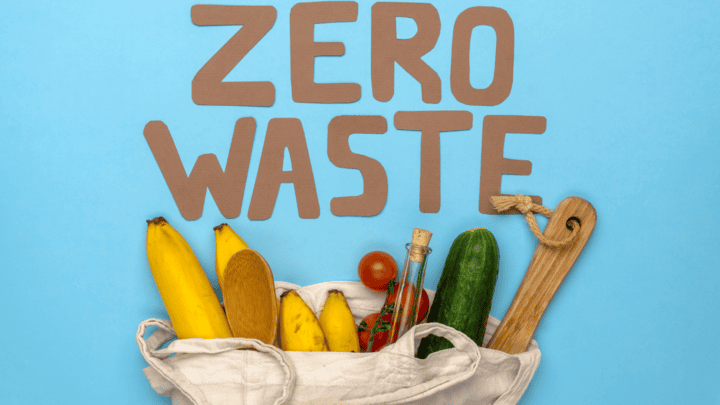
Food waste reduction is a complex problem that calls for a mix of systemic fixes, community involvement, and individual efforts. People can make a significant contribution to reducing food waste and fostering a more sustainable food chain that benefits both people and the environment by embracing mindful meal planning practices, cooking with creativity, putting proper storage and preservation techniques into practice, composting meal scraps, and pushing for systemic change.
Careful Planning of Meals
The first step in reducing food waste is thoughtful meal planning. Those can prevent overspending and meal spoiling by planning meals and making shopping lists based on their actual needs. Planning meals with intention reduces the chance of unwanted items lingering in the pantry or refrigerator by maximizing the usage of ingredients.
Innovative Cooking and Upcycling
Repurposing leftover ingredients and cooking in an inventive way are crucial tactics for reducing food waste. Instead of throwing away consuming items that aren't being used, people can repurpose them into new recipes or include them in subsequent meals.
Soaked bread can be used to make breadcrumbs or croutons, while leftover veggies can be used for soups, stews, or stir-fries. Using culinary innovation increases variety and excitement in the dining experience while also reducing food scarp.
Appropriate Preservation and Storage
For perishable items to last longer on the shelf and not expire too soon, proper storage and preservation methods are essential. Fruits and vegetables can be kept fresher longer and waste can be reduced by freezing excess, using airtight containers for leftovers, and storing them in the refrigerator.
To further improve meal preservation efforts, understand how to store different kinds of foods correctly, such as keeping onions apart from potatoes to stop sprouting.

Food Scrap Composting
Food scraps can be composted to create nutrient-rich compost for gardening, which is an environmentally responsible alternative to disposing of organic waste in landfills. Composting materials like coffee grounds, eggshells, and fruit and vegetable peels yield a vital soil supplement that improves garden beds and encourages plant development.
Composting not only lessens the negative environmental effects of food scarps but also completes the circle by closing the loop on the nutrient cycle and restoring important nutrients to the soil naturally and sustainably.
Select Sustainable Seafood.
Choosing sustainable seafood is a concrete approach to promoting ethical fishing methods and the health of the ocean. People can make a significant contribution to ensuring the health and sustainability of our oceans for future generations by learning about the principles of sustainable seafood consumption, looking for certified products, avoiding overfished species and destructive fishing methods, using seafood guides and apps, and advocating for sustainable fisheries management.

Comprehending Sustainable Seafood:
Choosing sustainable seafood means making decisions based on information that promotes ethical fishing methods and the well-being of ocean ecosystems. Seafood that is considered sustainable comes from fisheries and aquaculture operations that are responsibly run, with an emphasis on environmental sustainability, minimizing harm to marine environments, and guaranteeing the long-term survival of fish stocks.
People may help preserve the health of the ocean and save marine biodiversity by selecting sustainable seafood selections.
Steer clear of destructive fishing methods and overfished species
Steer clear of overfished or destructively fished species. This is one of the main rules of sustainable seafood eating. Fishermen's livelihoods are at risk, fish populations can be reduced, and marine ecosystems can be upset by overfishing.
People can contribute to efforts to restore reduced fish populations and stop further extinction of sensitive species by selecting seafood from abundant and well-managed fisheries.
Using Apps and Seafood Guides:
Apps and guides for seafood offer useful advice and information to assist consumers in selecting sustainable seafood. These resources usually provide suggestions for abundant, well-managed, and ethically fished seafood species by classifying them according to their sustainability status.
People may support fisheries that are dedicated to sustainability and make informed selections when purchasing seafood by checking seafood guides and apps.

Promoting Ecological Fisheries Management:
Promoting sustainable fisheries management is crucial for advancing ocean health and ethical fishing methods, in addition to consumers choosing sustainably farmed seafood. This could entail lending support to laws and programs that enhance the management of fisheries, lessen bycatch, save marine environments, and stop illicit, unreported, and unregulated (IUU) fishing.
People may support the long-term sustainability of marine ecosystems and the fishing industry by promoting systemic change and increasing awareness of the value of sustainably farmed seafood.
Encourage Humane and Ethical Farming Methods
A critical component of the meal production process is the welfare of the animals, and farms are essential to maintaining animal welfare. People can help create a more humane and ecologically sustainable food system by purchasing goods from farms that follow ethical standards.
Hosting Approved Items
Choosing products that are produced by strict animal welfare standards, are certified organic, or are grass-fed is an important way to support moral and humane farming practices. These accreditations guarantee that animals receive humane treatment, have access to pasture, eat natural foods, and live in environments that enhance their well-being.
By selecting certified products, people can shop with confidence, knowing that they are supporting farms that prioritize animal welfare and sustainable farming methods.

Putting Animal Welfare First
Animal welfare must be given top priority in the food production process to support moral and humane farming methods. This involves selecting goods from farms that give animals enough room, cover, and access to outside spaces so they can behave naturally.
It also entails avoiding goods sourced from farms that regularly utilize hormones or antibiotics, confine animals, or overcrowd them. By making animal welfare a priority, people can help create a food system that respects and values farm animals' lives.
Encouraging Agriculture That Is Sustainable
Promoting sustainable agricultural techniques is another way to support ethical and humane farming practices, in addition to placing a high priority on animal welfare. This covers methods that support soil health, biodiversity, and environmental sustainability, such as crop variety, rotational grazing, and soil conservation measures.
By supporting farms that prioritize sustainable agriculture, people can help mitigate climate change, reduce environmental pollution, and conserve natural resources.

Individuals can contribute to the creation of a more compassionate, sustainable, and egalitarian food system that benefits farmers, consumers, and animals equally by promoting policy changes and increasing public understanding of the significance of moral and humane farming methods.
Reduce the Wastage of Packaging
Set out on a mission to find eco-friendly packaging alternatives. Look for products that forgo bulky packaging in favor of simpler, more environmentally friendly options. Equip yourself with reusable bottles, containers, and bags to fight single-use plastics like powerful weaponry.
Promote companies that prioritize environmentally friendly packaging techniques to make it abundantly evident that wasteful packaging has no place in a circular economy.
Selecting Simplified Packaging
The first step in reducing package waste is to choose products with minimum or environmentally friendly packaging. Waste can be greatly decreased by choosing products with little to no packaging or packaging that is readily recyclable or biodegradable.
By choosing products that require less packaging, people may reduce the amount of waste that ends up in landfills and the ocean and lessen their environmental effects.

Employing Reusable Substitutes
Reusable alternatives to single-use packaging are yet another practical way to reduce waste from packaging. Purchasing reusable containers, bags, and water bottles can assist people in living a more sustainable lifestyle by lowering their dependency on throwaway packaging. People can lessen their environmental impact, save resources, and cut down on waste by switching to reusable alternatives.
Encouraging Eco-Friendly Packaging Techniques
Reducing package waste requires brands to be supported and value sustainable packaging practices. You can encourage positive change in the industry by supporting businesses that use innovative packaging solutions, refillable choices, or recycled materials in their product offerings.
People can make a strong statement to companies that environmental sustainability matters to them by endorsing brands that prioritize sustainable packaging methods.

Promoting the Reduction of Packaging
Promoting laws and programs that cut down on packaging waste is crucial to bringing about systemic change. This could entail advocating for laws that mandate businesses to use less packaging, encourage the use of reusable alternatives, or provide incentives for the adoption of environmentally friendly packaging techniques. People may contribute to creating a more sustainable future where packaging waste is reduced and resources are used more effectively by supporting packaging reduction.
Grow Your Food
Begin the age-old path of gardening, nurturing seeds into abundant harvests while cultivating awe and respect for the natural world. Whether it's a modest windowsill filled with planted herbs or a large backyard garden, turn your living area into a lush haven. Accept the healing powers of gardening and cultivate a closer relationship with the land and the life cycles that support all living things.
Accepting Independence
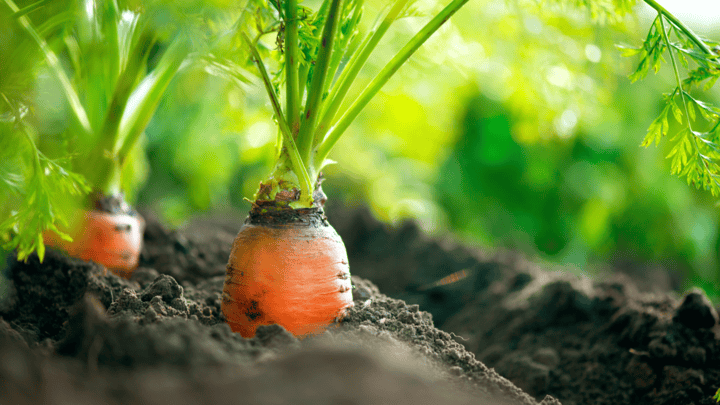
One effective method to embrace self-sufficiency and take charge of your meal supply is to grow your food. Growing their fruits, vegetables, herbs, and even bees or hens can help people become less dependent on produce from the market and understand the source of their meal.
Adopting self-sufficiency allows people to feed themselves and their families with fresh, homegrown ingredients, which in turn builds resilience and a sense of empowerment.
Encouraging Ecological Practices
Growing your food supports sustainability by lessening the environmental impact of conventional agriculture and cuisine transportation. In addition to conserving water through effective irrigation techniques and using fewer industrial pesticides and fertilizers, home gardens also promote biodiversity by serving as a habitat for wildlife and beneficial insects. Growing food locally also helps to create a more sustainable food system by lowering transportation-related carbon discharge.
Getting in Touch with Nature and Keeping Food Safe of High Quality
Growing your food offers a chance to foster a closer relationship with nature and a more profound comprehension of the natural world. Additionally, therapeutic, gardening lowers stress, increases mindfulness, and enhances mental health.
You may have total control over the safety and quality of your food when you grow it yourself. Genetically modified organisms (GMOs), artificial pesticides, and other potentially hazardous additions can be avoided by people to guarantee that their homegrown fruit is wholesome, fresh, and uncontaminated.
Furthermore, knowing the complete origins and farming practices of your meal can ease your mind and give you confidence in its integrity and safety.

Building Community and Resource Exchange
Growing food can strengthen ties within the community and encourage resource sharing among friends and neighbors. Informal gardening networks shared allotments, and community gardens offer opportunities for cooperation, information exchange, and assistance among gardeners.
Participating in community gardening projects can improve the overall well-being of their neighbourhoods, forge stronger social bonds, and develop resilience.
Get Knowledgeable About Food Systems
Learning about and becoming conscious of the intricate web of relationships that control the production, distribution, and consumption of meals is the first step in becoming an informed consumer of food chains.

By being more knowledgeable about the origins of their food, how it is produced, and the social, environmental, and economic effects of various agricultural practices, people may make better decisions about the foods they eat and promote constructive change within the food system.
Cut Down on Your Carbon Imprint
Reducing your carbon footprint involves taking intentional steps to lessen the quantity of greenhouse gases released into the atmosphere as a result of your daily activities. This can involve making a variety of lifestyle adjustments to cut down on energy use, save resources, and encourage sustainable behaviours.
Select Eco-Friendly Modes of Transportation
Selecting different forms of transportation, such as walking, cycling, carpooling, or taking public transportation, can help reduce carbon discharges related to individual travel. Choosing fuel-efficient cars or converting to electric or hybrid vehicles are other ways to reduce transportation-related carbon emissions.
Environmental Protection Agency
Reducing energy consumption and carbon emissions in your house can be achieved by taking energy-saving measures such as installing programmable thermostats, upgrading insulation, and utilizing energy-efficient equipment. Using renewable energy sources, like wind turbines or solar panels, can also help reduce carbon dioxide releases and dependency on fossil fuels.

Reduce Trash and Greenhouse Gas Emissions
You may lessen your carbon footprint by cutting back on waste and resource and product consumption. Recycling, composting organic waste, buying only what you need, staying away from single-use plastics, and choosing items with minimal packaging are some of these behaviours. By cutting back on waste and consumption, you may also lessen the environmental effects of product creation, shipping, and disposal.
Examples of sustainable food options include locally obtained produce, plant-based cuisine, and sustainably procured seafood. You may further lessen your carbon footprint by planning meals, keeping food appropriately, and finding new uses for leftovers.
Promote Systemic Change
To address the underlying causes of climate change and reduce carbon dioxide emissions on a larger scale, systemic change advocacy is crucial, even in addition to individual measures. This can involve putting in place carbon pricing mechanisms, encouraging energy efficiency, and supporting laws and programs that aim to switch to renewable energy sources.
A more sustainable future can be created for all by lobbying for legislative reforms and increasing public understanding of the significance of lowering carbon discharges. Individuals can also make a collaborative effort to battle climate change.

Celebrate and Distribute Sustainable Eating
Indulging in the pleasures of food while encouraging conscientious consumption and environmental care in your community is part of sharing and celebrating sustainable dining.
Getting Together at the Table
Sharing meals with loved ones, family, and friends is a great way to strengthen relationships and celebrate the benefits of eating sustainably. Whether it's a handmade meal shared at home, a potluck supper, or a picnic in the park, getting together around the table promotes a sense of community and deepens social bonds.
Investigating Diverse Culinary
Showcasing sustainable eating means experimenting with a wide variety of tastes, materials, and cooking customs from throughout the globe. Those who embrace plant-based diets, in-season food, and locally produced ingredients can explore new flavours and culinary methods that are good for their bodies and souls.
Having Important Conversations
Talking to people about sustainable eating habits can lead to important discussions about food, health, and the environment. Through conversing about the significance of making sustainable food choices, exchanging advice and recipes, and sharing personal stories, people can motivate and assist one another in moving toward a more sustainable way of living.

How to Choose Sustainable Foods for Optimal Health
Making nutrient-rich, environmentally conscious food choices that are sourced and produced sustainably is essential for achieving maximum health. Emphasize plant-based foods that lower carbon footprint and provide vital vitamins, minerals, and antioxidants, such as fruits, vegetables, whole grains, legumes, and nuts.
Choose seasonal and locally grown produce to help local farmers and cut down on transportation-related emissions. Choose seafood that has been sustainably procured to support ethical fishing methods and ocean health.
Cut back on processed foods and food packaging to lessen waste and the impact on the environment. You can support a healthier planet and nurture your body at the same time by making conscious decisions.
Conclusion
In conclusion, embracing sustainable eating practices is critical for the health of the earth and for our well-being. By adhering to the ten suggestions provided in this book, people can make educated decisions that uphold moral behaviour, encourage environmental sustainability, and nourish their bodies and souls. Every suggestion provides a route towards a more sustainable and satisfying relationship with food, from selecting plant-based foods and cutting down on food scraps to promoting regional farmers and appreciating culinary diversity.
Remember that every meal we take has the potential to change the world as we work to eat sustainably. By adopting these ideas and putting them into practice, we can help create a more resilient and healthy food system that feeds people and the earth for many generations to come.
Transform your eating routine with LUCY's sustainable dining guide. Learn ten practical suggestions that will enable you to make mindful decisions and lead to a healthier body and planet. Set out to be an environmental steward by decreasing food scarps and embracing plant-based diets. As we work together, one bite at a time, to cultivate a brighter future. Check out LUCY's webpage right now.