A Guide to Reducing Environmental Toxins: Strategies for a Cleaner, Healthier World

With the world changing so quickly these days, environmental poisons are ubiquitous and have become a serious threat to ecological balance and human health. The cumulative effect of these poisons, which range from compounds in common products to pollutants released by industrial operations, poses serious concerns to both human well-being and the sustainability of our world. It is critical to comprehend the causes, consequences, and mitigation tactics of environmental contaminants to protect human well-being and maintain the delicate balance of our ecosystems.
Human actions, including domestic goods, industrial facilities, agricultural operations, and transportation emissions, emit environmental toxins such as heavy metals, plastic pollution, pesticides, herbicides, and volatile organic compounds, posing health hazards and endangering biodiversity and ecosystems.
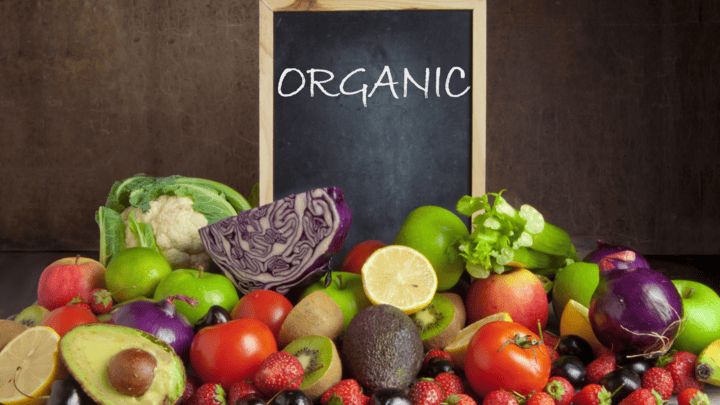
Environmental contaminants have long-term effects on ecological resilience and global sustainability in addition to urgent health problems. By raising consciousness, supporting sustainable practices, and pushing for legislative reforms, we can reduce the amount of environmental contaminants that we are all exposed to as a group and create a future that is healthier and more robust for future generations.
Understanding Chemicals in the Environment:
Toxins that are introduced into the environment by a variety of human actions are referred to as environmental toxins. These contaminants can come from a variety of sources, including household goods, transportation emissions, agricultural activities, and industrial processes.
Heavy metals including lead, mercury, and arsenic; volatile organic compounds (VOCs) present in paints, solvents, and cleaning products; herbicides and pesticides used in agriculture; and endocrine-disrupting substances like phthalates and bisphenol A (BPA) are examples of common environmental toxins. These toxins can be inhaled, consumed, or come into contact with the skin.
Exposure to them has been related to a wide range of health concerns, such as cancer, neurological conditions, respiratory problems, and reproductive problems.
Environmental Toxins' Effects on Human well being
Depending on the type and degree of exposure, environmental toxins can have a variety of well-documented negative health impacts. For example, heavy metals like lead and mercury can cause neurological development problems in children, cardiovascular and renal issues in adults, and impairment of cognitive function.
However, VOCs can also cause respiratory irritation, and asthma episodes, and contribute to the creation of smog and ground-level ozone. Hormone synthesis and regulation can be disrupted by endocrine-disrupting chemicals like BPA and phthalates, which can cause developmental defects, cancer, and reproductive problems.
Hormonal imbalances within the endocrine system, which controls the levels of hormones like progesterone and estrogen, can contribute to breast cancer. The development of breast cancer is made more likely by elevated estrogen levels, endocrine-disrupting chemicals found in common products, and environmental contaminants. Comprehending this interaction is essential for formulating focused preventive and therapeutic approaches.
Methods for Cutting Down on Environmental Toxins:
Even though environmental contaminants are ubiquitous, there are several doable actions one may do to reduce their exposure and lower their risk of health problems. These tactics cover a wide range of day-to-day actions, such as lifestyle decisions, household goods, diet, and personal hygiene practices.
One can both protect their health and well-being and significantly contribute to environmental sustainability by implementing these suggestions into their daily routines.
Accept Organic and Regionally Sourced Foods
It is a suggestion that motivates public to give local foods and organic produce top priority while making dietary choices.
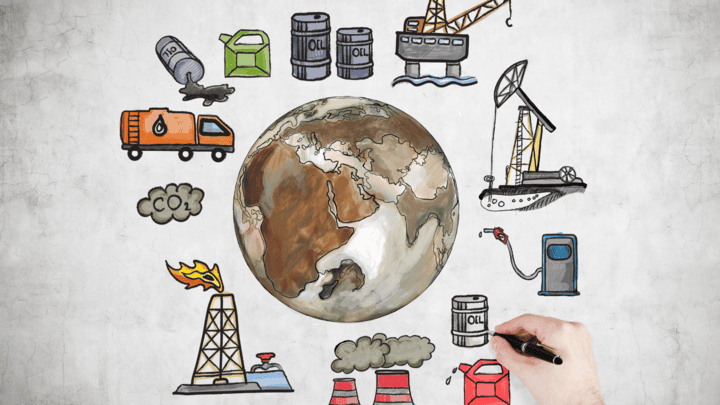
Organic Produce
Rather than using artificial chemicals and pesticides, organic agricultural operations include crop rotation, natural fertilizers, and biological pest control techniques. Selecting organic cereals, dairy products, fruits, and vegetables lowers your danger of exposure to hazardous pesticides and chemical residues.
Moreover, organic farming encourages biodiversity, healthy soil, and sustainable farming methods, which makes it a greener choice.
Purchase Locally Sourced Foods
Purchasing locally sourced food helps local farmers and lessens the environmental impact of food transportation. Local farmers' markets, farm stands, and community-supported agriculture (CSA) programs offer consumers access to fresh, seasonal produce while reducing the environmental effect of long-distance shipping and distribution. This is achieved by purchasing fruits, vegetables, meat, and dairy products.
Furthermore, compared to their imported equivalents, goods supplied locally frequently require less processing and packaging, which further minimizes resource use and waste production.
Purify the Water You Drink
Millions of people worldwide are impacted by the widespread problem of water contamination, which poses serious hazards to both the environment and public health. Invest in a high-quality water filtration system that can efficiently remove common toxins like chlorine, lead, mercury, and microbiological infections to assure the safety and purity of your drinking water.

As an affordable alternative, think about utilizing a faucet attachment or pitcher with a certified water filter to enhance the quality of the tap water in your home. Maintaining the effectiveness of your filtration system and guaranteeing continuous protection against dangerous chemicals can be achieved by routinely changing filter cartridges and performing water quality checks.
Select Non-Toxic Cleaning Products
Conventional household cleaning products frequently include a range of harsh chemicals that can be harmful to the environment and human wellness. When rinsed down the drain, these chemicals have the potential to damage aquatic habitats, cause allergic reactions, and contribute to indoor air pollution.
A safer and more environmentally responsible option is to use non-toxic cleaning products produced from natural materials like vinegar, baking soda, lemon juice, and essential oils. These natural cleaners work well to get rid of stains, grease, and other debris without using dangerous chemicals or artificial aromas.
Furthermore, a lot of non-toxic cleaning solutions are biodegradable, which means that after usage, they naturally disintegrate in the environment, reducing their negative effects on the quality of soil and water. People may lessen their environmental impact and promote sustainable manufacturing processes while also improving the health of their families and themselves by using non-toxic cleaning solutions.
Cut Down on Plastic Use
wildlife, habitats, and human health. Cutting back on plastic use is crucial to lessening these effects and advancing a more sustainable future.
Recognizing the Problem
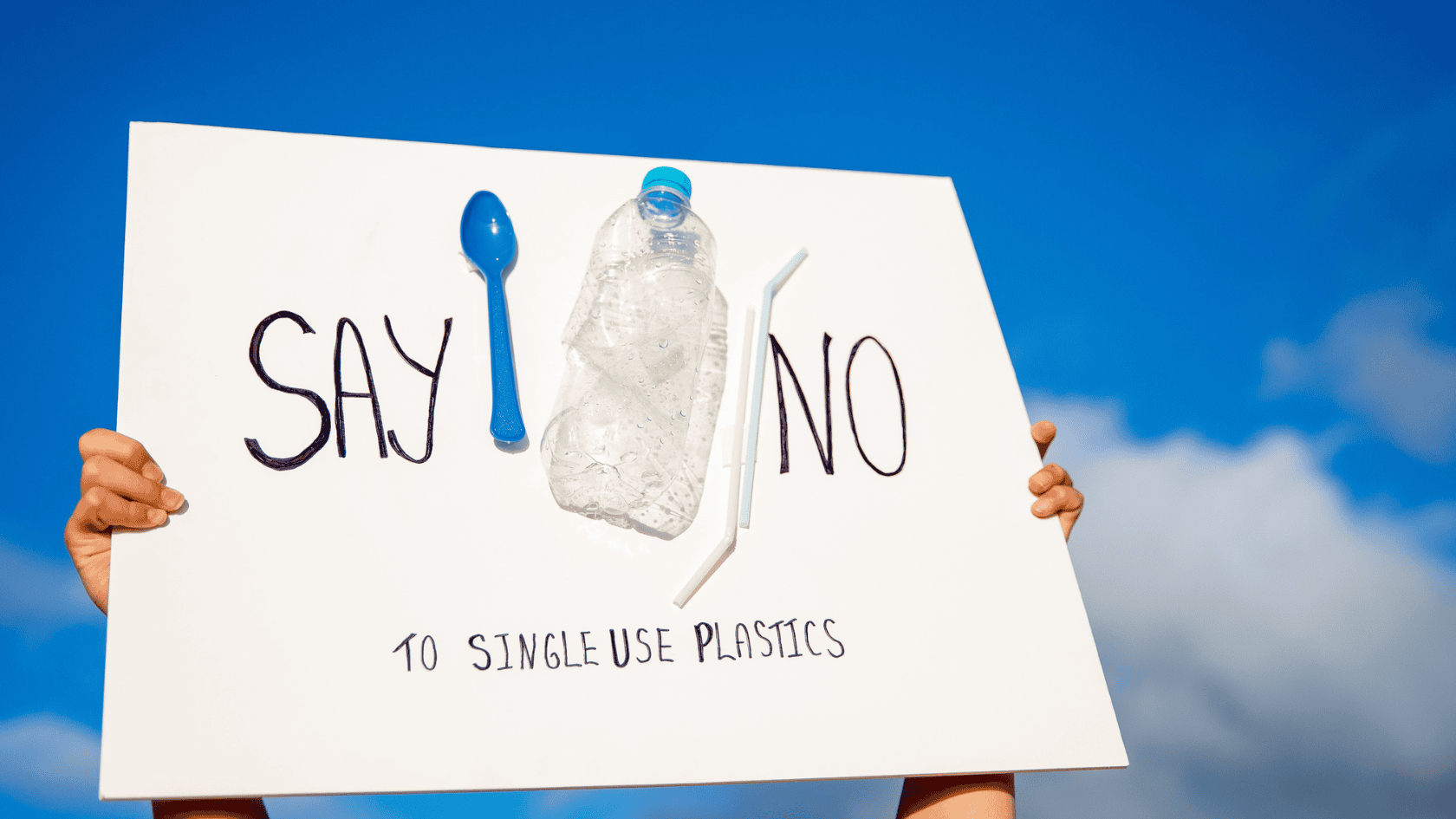
Plastic garbage is a commonplace sight in the environment, as millions of tons of it find its way into rivers, oceans, and landfills every. In addition to causing habitat loss, ingestion, and entanglement harm to marine life, plastic pollution contributes to climate change by releasing greenhouse gases during production and disposal.
Techniques to Cut Back on Plastic Consumption
Water bottles, bags, straws, and food containers are examples of single-use plastic items that should be replaced with reusable alternatives made of silicone, glass, and stainless steel. To cut waste and assist businesses that value sustainable packaging methods, choose products with minimum or no plastic packaging.
To reduce packaging waste, choose products like cleaning supplies, personal care items, and pantry essentials that offer refillable or bulk options.
Putting Plastic Reduction Practices Into Practice
Consume awareness by choosing products with little plastic packaging and thinking about how your purchases will affect the environment. Inform public about the significance of consuming less plastic and push for laws that support recycling and waste reduction programs for plastic.
Enhance the Quality of Indoor Air
Indoor air pollution is a serious problem, particularly in crowded cities where buildings are tightly sealed to save energy. Investing in an air purifier with high-efficiency particulate air (HEPA) filters can improve indoor air quality and lower exposure to air pollutants.
By capturing minuscule particles like dust, pollen, pet dander, mold spores, and volatile organic compounds (VOCs), these filters help you and your family live in a healthier and more breathing atmosphere.

To circulate fresh air and remove interior air pollutants, you should also use exhaust fans and open windows to maximize ventilation in your home.
Pick Personal Care Products That Are Natural and Organic.
Daily personal care products including shampoo, soap, lotion, deodorant, and cosmetics can have a variety of potentially dangerous substances such as formaldehyde-releasing preservatives, parabens, and phthalates. Choose natural and organic alternatives derived from plant-based substances that are devoid of artificial perfumes and synthetic additives to reduce your exposure to these contaminents.
To make sure a product satisfies strict sustainability and safety requirements, look for products that are designated as "clean" or "green" or that have received organic certification. To lessen the impact you have on the environment and any health hazards, think about streamlining your hygiene regimen and using fewer items all around.

Utilize Energy Saving Techniques-Facts
The production and consumption of energy are significant drivers of greenhouse gas emissions and environmental pollution, which can have profound effects on biodiversity, human health, and climate stability. To lessen these effects and encourage environmental sustainability, you can adopt energy-efficient habits and cut back on your overall energy usage.
You can dramatically lessen your carbon footprint and cut your utility costs by taking easy steps like turning off lights and appliances when not in use, utilizing programmable thermostats to control indoor temperature, and selecting energy-efficient appliances and lighting fixtures.
To produce clean, renewable power for your house or place of business, think about investing in renewable energy sources like solar or wind turbines.
Encourage sustainable practices and brands
Through our purchasing decisions, we as consumers can positively impact business conduct. Supporting businesses that place a high value on sustainability, openness, and moral behavior will encourage the use of eco-friendly technologies and encourage the use of responsible manufacturing techniques.
Eco-labels and certifications ensure products and services meet strict environmental and social requirements, such as energy efficiency, responsible forestry, organic farming, and ethical labor standards. Supporting eco-certified items contributes to a sustainable and eco-friendly economy.
Why Do Some Individuals React to Toxin Exposure Differently from Others?
Different people react differently to toxins, and this is due to a complex interaction between environmental, physiological, and hereditary factors. Genetic predispositions can affect a person's vulnerability to toxins; differences in immune system function and detoxification pathways affect how the body absorbs and gets rid of toxic materials.
Variations in responses can also be attributed to physiological variables, including age, health, and lifestyle choices. Children, the elderly, and those with underlying medical issues frequently exhibit increased sensitivity to toxins. Individual reactions are also greatly influenced by environmental factors, such as the kind and concentration of toxins, the length of exposure, and co-exposure to other pollutants.
We can enhance public health protection and lessen the harmful consequences of environmental pollutants by identifying susceptible populations and putting targeted interventions in place, such as environmental restrictions and individualized healthcare techniques.
Toxin Elimination Through Movement, Exercise, and Sweating
Regular movement, exercise, and sweating facilitate the body's natural detoxification process, which improves general health and well-being by boosting oxygen flow, energizing the bloodstream, and facilitating the exhalation, perspiration, and urination of pollutants.
Frequent movement and exercise promote lymphatic drainage and circulation, which makes it easier for waste products and poisons to be removed from tissues and organs. Exercises that promote lymphatic flow and strengthen the body's natural detoxifying processes include yoga, strength training, running, and walking.

Exercise causes sweating, which controls body temperature and removes toxins from the skin. By using heat to create perspiration, sauna therapy improves general health and detoxification.
In summary
In summary, lowering environmental toxins is a critical undertaking that necessitates both individual and group responsibility. By putting the tactics described in this extensive book into practice, people can reduce the amount of toxic substances they are exposed to and help create a more sustainable, healthy world. Every choice we make, from buying non-toxic household goods and organic food to preserving energy and endorsing eco-friendly companies, has the potential to improve both the health of people and the environment.
We can build a future where everyone has access to clean air, clean water, and a toxin-free environment by spreading awareness, pushing for legislative changes, and encouraging an attitude toward environmental care. To ensure a better and healthier future for future generations, let's work together to create a world free of dangerous toxins in the water we drink, the air we breathe, and the products we use.
Are you prepared to enhance your body's inherent cleansing mechanism and elevate your general well-being? Today, make time for regular movement, exercise, and sweating actions. Make it a priority to engage in activities that enhance circulation, lymphatic drainage, and toxin removal, such as a vigorous stroll in the park, renewing yoga practice, or soothing sauna sessions.
Take control of your health and learn how movement and exercise can help with detoxification. With Lucy, begin your path to a happier, healthier you right now!