A Guide to Portion Control and Nutrient Diversity
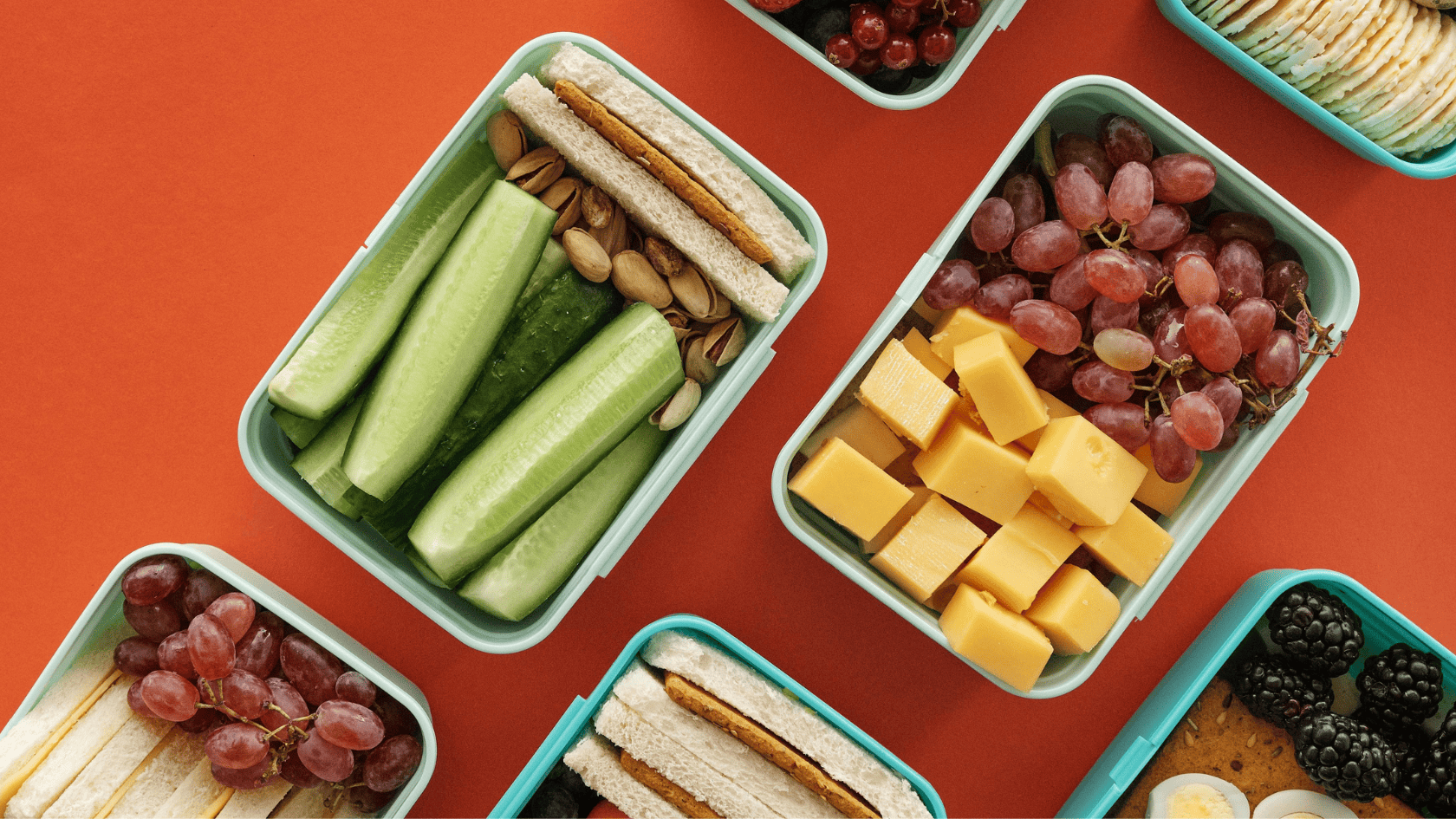
Maintaining a balanced diet might be challenging in today's fast-paced world, where processed foods and large amounts are commonplace. Nonetheless, in the deluge of contradictory dietary recommendations, two fundamental ideas—portion management and nutrient diversity—stand out as essential for general health. If we comprehend and apply these ideas to our daily lives, we may effectively regulate our weight and ensure our bodies get the wide range of nutrients they require to flourish.
Portion control is about balancing moderation and indulgence, not just cutting back on how much we eat. Serving proportions must be considered, our bodies' hunger signals must be heeded, and we must learn to enjoy every bite.
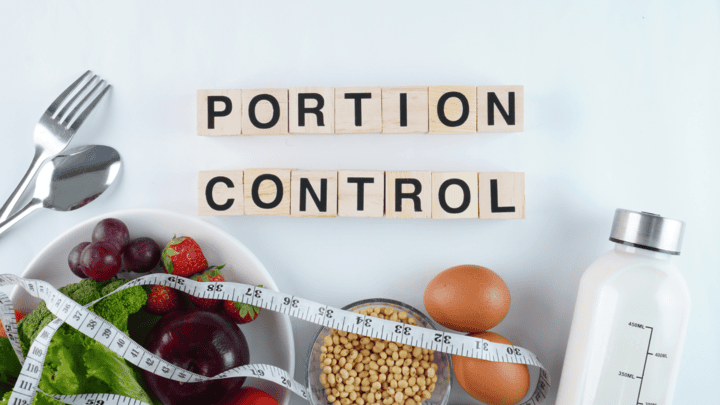
Nutrient diversity, on the other hand, highlights the value of eating a broad range of foods, each containing a unique combination of vitamins, minerals, and antioxidants. These ideas provide the groundwork for a nutrient-rich diet, long-term health, and vigor.
Why Portion Control Matters
Proportion management is essential to avoid overindulging, maintain a healthy caloric intake, and encourage thoughtful eating. By controlling their portion sizes, people can establish a more beneficial relationship with food, lessen their chance of gaining weight, and improve their digestion.
A balanced diet can be attained by including portion management into regular eating routines, which promotes general health and well-being.
Stops Overindulging And Adjusts Calorie Consumption
Overeating is typical in today's food environment, where enormous amounts are frequently the norm. By offering recommendations for sensible serving sizes, portion management aids in the prevention of overindulgence. People can prevent overindulging in calories, which can result in weight gain and several health problems like diabetes, heart disease, and obesity, by being aware of their portion sizes.
Proportion management is crucial to balance calorie intake and ensure people consume the right energy for their needs. By controlling portion sizes, people can better regulate how many calories they consume—a critical component of weight management and general health. Achieving calorie balance requires understanding portion sizes, regardless of whether one is attempting to gain, maintain, or decrease weight.
Enhances digestion
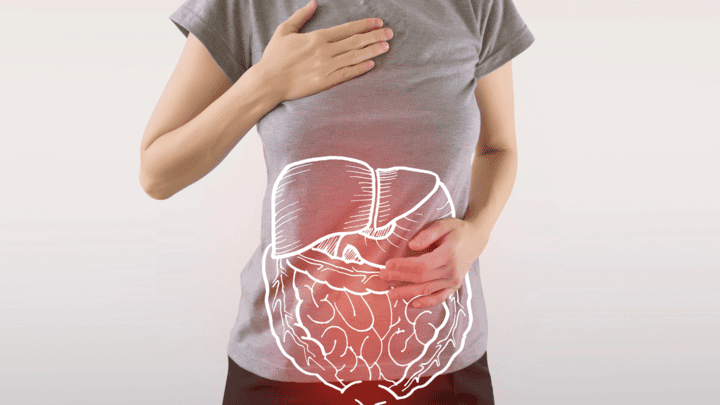
Overindulging in food can cause discomfort to the digestive tract, including heartburn, indigestion, and bloating. Controlling portion sizes helps the digestive system break down food faster, improving digestion. Smaller, better-portioned meals can lower the risk of digestive problems and improve gastrointestinal health.
Encourages Intentional Consumption
Portion management promotes mindful eating, which is the discipline of paying close attention to what is being eaten and being present. Slowing down and savoring food by being mindful of portion proportions can increase satisfaction and enjoyment. A better relationship with food is encouraged, and overeating is avoided when people practice mindful eating by learning to identify their hunger and satiety cues.
Achieving a balanced diet
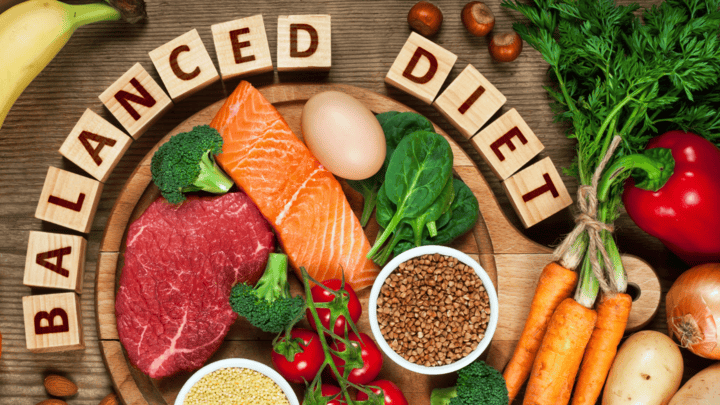
Consuming a range of foods from all major food categories in the right amounts to suit the body's nutritional demands is the key to achieving a balanced diet. The nutrients required to maintain general health and well fare, such as carbohydrates, proteins, fats, vitamins, and minerals, are provided by a balanced diet. Whole, minimally processed foods like fruits, vegetables, whole grains, lean meats, and healthy fats should be prioritized by people to get a balanced diet. These meals offer numerous health advantages and are high in vital nutrients.
Controlling portion sizes is also crucial to obtaining a balanced diet. By managing their portions and refraining from overindulging, people can prevent consuming excess calories and maintain a healthy body weight.
Furthermore, when aiming for a balanced diet, it's critical to consider elements like Hydration and mindful eating practices. In addition to practicing mindful eating—which entails paying attention to cues from hunger and fullness—staying hydrated throughout the day can help prevent overeating and improve general health.
Individual variations in the influence of portion sizes
Individual variances in the portion size effect refer to the disparities in how people react to and perceive different meal portions, which are impacted by environmental, psychological, and physiological factors. Individuals have different preferences for portion sizes due to a combination of psychological and physiological factors, including past eating experiences and levels of hunger, as well as physiological characteristics like metabolism and body size.
These choices are further shaped by environmental factors such as cultural influences and social standards. Acknowledging and comprehending these distinctions is essential to encouraging mindful eating and sensible portion control techniques catering to personal requirements and tastes, which supports better eating practices and general health.
The Secret to Healthy Eating Is Macronutrient Balancing
Maintaining a healthy diet mostly depends on balancing macronutrients, which entails controlling the amount of fats, proteins, and carbs consumed to promote general health.
Carbohydrates: The Body's Fuel
The body uses carbs as its main energy source. Complex carbohydrates, which are present in whole grains, legumes, fruits, and vegetables, offer vital nutrients and help maintain a healthy digestive system. It's important to prioritize complex carbs over simple ones for satiety, energy levels, and general wellness.
Proteins: The Components of Life
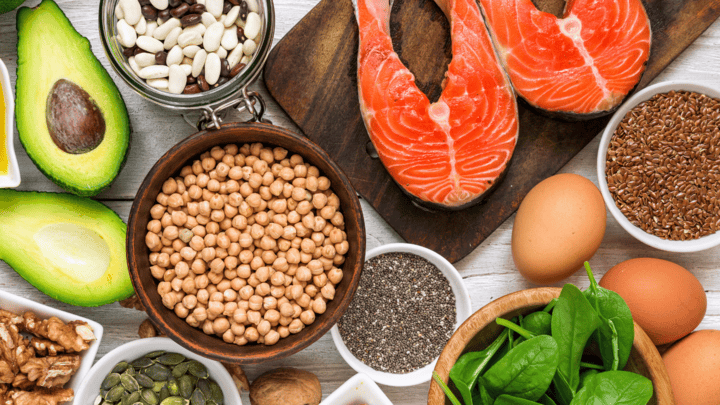
Proteins are necessary for immune system function, muscular bulk, and tissue growth. Lean meats, poultry, fish, eggs, dairy products, beans, legumes, tofu, and nuts should all be a part of a balanced diet. These foods high in protein supply the necessary amino acids for both general health and physiological processes. Depending on factors like age, gender, exercise level, and health, different amounts of protein are required. Thus, it's important to customize intake for overall health and muscle building.
Fats: Vital to Well-Being
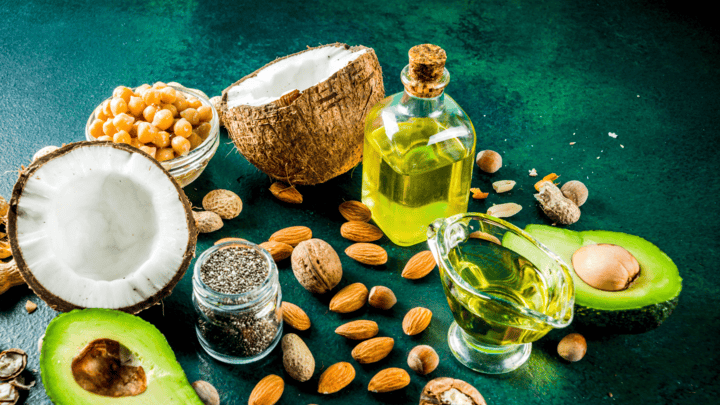
Fats are necessary for vitamin absorption, organ protection, energy production, and cell growth. Nuts, seeds, avocados, and olive oil are healthy fats essential for heart health. Unsaturated fats lower cholesterol, promote brain function, and lessen inflammation. Moderate consumption of saturated fats can lower the risk of cardiovascular disease. Eating unsaturated fats improves general health and lowers the risk of chronic illnesses.
How Should Portion Control Be Done?
Utilizing smaller plates and bowls to visually lower portion sizes and utilizing measurement instruments for precise servings—especially with calorie-dense foods—are two strategies for practicing portion management. Guarantee a balanced diet of vegetables, protein, and carbohydrates; it also entails following serving size recommendations and splitting meals onto plates.
Furthermore, developing mindful eating practices—like slowing down when eating and observing hunger cues—helps avoid overindulging and promotes a positive connection with food. These tactics encourage portion control, simplify calorie intake, and support general health and well-being.
Quantify Portion size
Using smaller plates will help to control portion sizes naturally. This visual aid can encourage portion control without precise measurement by making one feel content with smaller serving sizes. Use measuring cups, spoons, or a food scale to precisely portion out servings, especially for high-calorie items like nuts, oils, and grains. This methodical technique guarantees that one eats the right amounts and refrains from overindulging.
Follow serving size guidelines and practice mindful eating
Read nutrition labels and dietary guidelines to become familiar with typical serving sizes for various food groups. People can limit their portion sizes and nutrient intake by being aware of suggested serving sizes.
Split Up Your Plate- Quantify the Number of Food groups
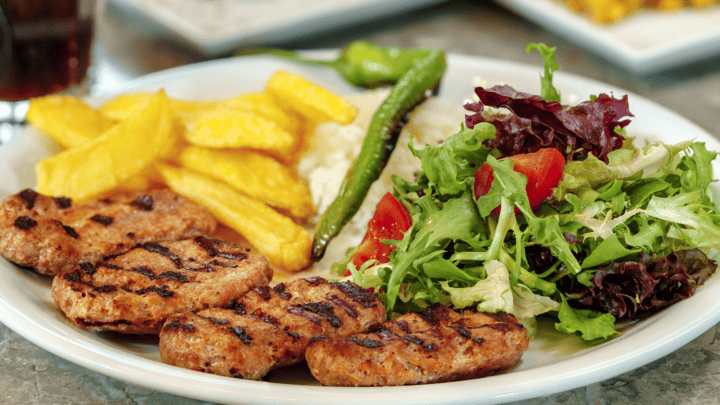
Imagine dividing your dish into three sections: quarters for carbs, quarters for protein, and half for vegetables. By reducing the amount of space available for calorie-dense foods, this straightforward tactic encourages portion control and a balanced intake of nutrients
Eat carefully, note your body's hunger and fullness signals, and enjoy every taste. This mindful eating strategy discourages overeating and fosters a positive relationship with food by allowing one to appreciate their food and recognize when they are satisfied.
The Value of Diverse Nutrients
Diversity in nutrients is essential for preserving general health and well-being. Eating diverse meals ensures they get the vital vitamins, minerals, antioxidants, and phytochemicals required for different body processes. This varied nutrition supports optimum health by boosting healthy organ function, strengthening the immune system, and lowering the risk of chronic diseases.
A diversified diet also promotes a healthy gut flora, which benefits immunological function, nutrition absorption, and digestion. Nutrient diversity improves culinary experiences by giving meals more depth and flavor, which goes beyond health advantages and increases enjoyment and adherence to balanced nutrition.
Delivers Vital Nutrients
Eating various foods guarantees a broad spectrum of vital elements, such as vitamins, minerals, antioxidants, and phytochemicals. Every vitamin has a distinct purpose in supporting different body processes, such as boosting cognitive function and immune system strength and lowering the risk of chronic diseases.
Promotes General Health and Digestion
The numerous nutrients in different diets impact one's general health and well-being. For instance, antioxidants fight oxidative stress and inflammation, vitamins and minerals are necessary to sustain healthy biological processes, and phytochemicals prevent disease. A varied diet promotes general health by giving the body the resources to operate at its best.

Various nutrients help maintain a healthy gut flora, which is necessary for immunological response, nutrition absorption, and digestion. Eating various meals supports advantageous gut flora, resulting in a well-balanced microbiota makeup. This ultimately contributes to general well-being by strengthening the immune system, improving nutrition absorption, and promoting digestive health.
Boosts Taste and Contentment
Trying different ingredients gives meals additional flavor and depth, which enhances their enjoyment and satisfaction. Combining different tastes, textures, and colors into meals improves their appearance and boosts dietary satisfaction. As a result, people are more inclined to stick to tasty and nutritious food, which can increase adherence to healthy eating habits.
Strategies to Achieve Diversity in Nutrients
There are various crucial tactics involved in attaining nutrient diversity in your food. First and foremost, to guarantee a wide range of vitamins, minerals, and antioxidants, try to "eat the rainbow" by including various colorful fruits and vegetables in your meals. Additionally, to boost fiber intake and add nutritional variety, give whole grains precedence over refined grains.
Lean protein sources like fish, poultry, tofu, beans, and lentils are incorporated to enhance muscle health and diversify amino acid profiles. Playing with herbs, spices, and condiments brings important phytonutrients and improves flavor.
Finally, don't be afraid to experiment with new foods and cuisines to expand your palette and nutritional intake. These pointers will help you maximize the variety of nutrients in your diet, improving your general health and well-being.
Consume the Rainbow
Including fruits and vegetables of different colors in your meal ensures a varied intake of vitamins, minerals, and antioxidants. To optimize nutrient diversity, try to include a variety of colorful produce, such as carrots, red peppers, blueberries, and leafy greens.
Add Whole Grains And Lean Proteins
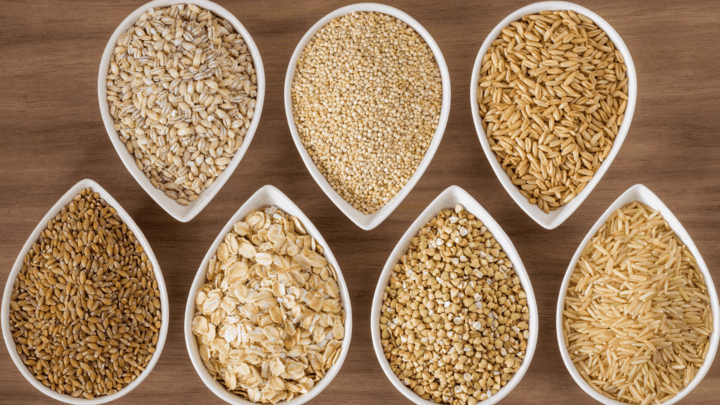
To boost fiber consumption and offer nutritional variety, go for whole grains like barley, quinoa, brown rice, oats, and brown rice instead of refined grains. In addition to providing a more varied dietary profile, whole grains are a rich source of vitamins, minerals, and phytonutrients absent from refined grains.
Include a variety of lean protein sources, such as fish, poultry, tofu, beans, and lentils, to maintain muscle health and diversify amino acid profiles. Mixing up your protein sources gives you more options for meal preparation, flavor profiles, and a wider variety of vital elements.
Try Different Herbs & Spices
Use herbs, spices, and condiments to add flavor to your food and get the health benefits of phytonutrients. This will give your food more depth and complexity. In addition to adding flavor to food, herbs and spices also provide essential anti-inflammatory and antioxidant properties that increase the diversity of nutrients.
To expand your palette and increase your intake of nutrients, venture outside your comfort zone when it comes to cooking and try new ingredients and cuisines. Trying new foods adds fresh flavors and nutrients to your diet, making meals attractive and guaranteeing various nutrients.
By implementing these ideas into your dietary habits, you may gain the many health benefits of a diverse and balanced meal and maximize nutrient diversity.
Be Aware of Outside Influences
Acknowledging the effects of environmental signals, societal standards, cultural traditions, advertising, and peer pressure is part of being aware of outside influences on eating patterns. Considering how these factors may influence dietary preferences and eating habits is critical.
Being aware of outside influences can help one develop healthier eating habits and make better nutritional selections. This could entail techniques like making a list, establishing limits, and looking for situations encouraging healthy decisions and controlling portions.
Ultimately, being aware of outside influences allows one to take charge of their nutrition and develop a better connection with food.
Understanding Serving Sizes: Follow a Guide to Portion Control and Nutrient Diversity
Making educated food choices and successfully implementing portion control requires the ability to read product labels and comprehend serving amounts. Nutrition facts label offer essential details regarding the nutritional makeup of packaged goods, such as calories, serving size, macronutrients (including proteins, lipids, and carbs), vitamins, and minerals. Target population can determine the nutritional content of food, spot any allergies or additives, and compare products to make healthier decisions by closely reading food labels.
Knowing serving sizes is especially crucial since it enables one to determine how much food is appropriate. Standardized measurements, known as serving sizes, represent the suggested amount of a particular dish for a single serving. People can find out how many servings they are taking and modify their amounts by comparing the serving size specified on the food label to the quantity they usually consume.
Food labels also frequently list the number of servings per container, which makes it possible for people to figure out how many calories and nutrients they would take in overall if they were to eat the entire package. With this knowledge, one may portion foods appropriately to achieve their nutritional objectives and avoid overindulging.
Practical Techniques for Nutrient Diversity and Portion Control
Implementing these practical methods may significantly improve your diet's nutrient diversity and portion control. Plan your meals to achieve a well-balanced combination of nutrients and suitable portions.
When you cook at home, you may incorporate various nutrient-rich, diversified foods more easily because you control the ingredients and portion sizes. By bringing portion-controlled snacks, you can ensure you always have wholesome options between meals. Drinking enough water or herbal tea will keep you hydrated and promote a variety of nutrients.
Remind yourself to eat in moderation rather than restriction. This will allow you to indulge in your favorite foods occasionally while maintaining a balanced diet. By encouraging portion control and dietary diversity for optimum health, these techniques give you the power to take charge of your eating habits.
Planning and Making Meals at Home
Make a meal plan to guarantee a healthy mix of nutrients in the right amounts. Ultimately, this strategy supports both portion management and nutrient diversification by assisting you in making better decisions and preventing impulsive eating.
When you cook your food, you have complete control over the ingredients and quantity. Try different cooking methods and recipes to include a variety of nutrient-dense foods in your diet while controlling portion sizes.
Carry Snacks and Stay Hydrated
Prepare wholesome snacks in portion-controlled containers for when hunger hits between meals. Make nutrient-dense choices throughout the day, such as nuts, fruits, yogurt, and veggie sticks, to help with portion management and nutrient diversity.
Thirst can occasionally be confused with hunger. Drink water to stay hydrated throughout the day. Being adequately hydrated will help control hunger and stop overindulging in food. Selecting drinks high in water or herbal tea can also help promote nutrient diversity.
Use Moderation Rather Than Deprivation
Permit yourself to occasionally indulge in your favorite meals, even if they are less healthful. Self-deprivation can trigger cravings and eventually thwart your attempts to maintain a healthy, balanced diet. By eating various foods in moderation, you may still enjoy your favorite indulgences while supporting portion management and nutrient diversity in your diet.

The Relation Between Balanced Eating and Portion Control
To maintain a healthy diet and achieve general well-being, it is essential to understand the relationship between portion control and balanced eating. Controlling portion size limits food eaten at each meal or snack. In contrast, balanced eating emphasizes getting nutrients from various food categories in the right amounts.
These two ideas are closely related because portion control is essential to establishing balance. It helps audience consume the appropriate amount of each food type to meet their nutritional needs without going overboard with high-calorie items. People can efficiently monitor their caloric intake, encourage weight management, and avoid overeating by regulating portion sizes. This makes eating foods high in nutrients, such as fruits, vegetables, whole grains, lean meats, and healthy fats easier. These foods are vital for maintaining general health and giving the physique the necessary vitamins, minerals, antioxidants, and macronutrients.
In the end, portion control helps one to have a balanced diet by finding a harmonious balance between the amount and quality of food they eat, which promotes better health, better nutrition, and a higher sense of well-being.
Conclusion
To sum up, developing portion management skills and accepting a variety of nutrients are critical first stages in obtaining a well-balanced diet. Understanding the importance of portion sizes and including various nutrient-rich foods in our meals helps us control our calorie consumption while ensuring our bodies get the vital elements they require to perform at their best. One can develop mindful eating habits that enhance general well-being using doable techniques like portion control, smaller plates, and trying new foods.
Moreover, the advantages of dietary diversification and portion control go beyond physical health to include mental and emotional wellness. We can improve our relationship with food by developing a deeper appreciation for the foods we eat and a better understanding of our bodies' hunger signals and satiety. Ultimately, we give ourselves the freedom to make educated dietary decisions that promote long-term health and vitality by prioritizing portion management and nutritional diversification in our everyday lives.
Are you prepared to embrace a diverse, nutrient-rich diet and take charge of your portion sizes? With Lucy, begin your road to a healthy lifestyle right now! Check out our extensive resources, helpful advice and mouthwatering recipes to help you achieve your balanced eating and portion control objectives. Get the resources you need to take care of your body, increase your energy, and feel your best daily by becoming a part of the Lucy community. Let's set out on this path to a happier, healthier you! Top of Form